AIRSEA II · Our approach
Our investment
philosophy.
AIRSEA II acquires, enhances, owns, and remarkets business jets with an owner’s perspective. Each decision starts with the aircraft, the capital it will need, and the people who may own it next.
Knowledge. Patience. Disciplined execution.
Discuss an aircraft with Joe ↗The purpose behind the process
Value begins
with understanding.
We look at what an aircraft is today and what it could become with the right purchase price, maintenance plan, and carefully chosen improvements. Its condition, records, engine status, operating costs, and place in the market belong in one complete assessment.
This owner and investor perspective is central to Joe Rizzo and AIRSEA II. It guides how we commit capital and how we think about the eventual sale.
“Our objective is to create value through aviation assets.”
From the AIRSEA II mission statement
Five fundamental principles
Every stage.
A considered decision.
These principles connect the first evaluation with the work after acquisition and the decisions that bring an aircraft back to market.
01
Acquire intelligently.
We look for strong underlying value and an acquisition price supported by the aircraft’s condition and market position. Financial and technical analysis belong in the same decision.
02
Invest strategically.
We weigh each proposed improvement against its cost, time, and purpose. The question is what the work can do for condition, capability, buyer appeal, or value.
03
Manage risk.
Maintenance exposure, engine status, inspections, records, modifications, and future capital needs all matter. We seek to understand those commitments before deciding whether an opportunity makes sense.
04
Position effectively.
An aircraft needs a clear, accurate place in the market. We consider its strongest attributes, the work completed, and the priorities of the buyers most likely to value it.
05
Exit responsibly.
The sale should reflect the care that came before it. We aim to execute transactions professionally and transparently, with respect for the people, commitments, and relationships involved.
Where additional investment may belong
Improve with
a purpose.
The right plan depends on the individual aircraft. We consider what needs attention, what may improve its usefulness, and what the next owner is likely to value.
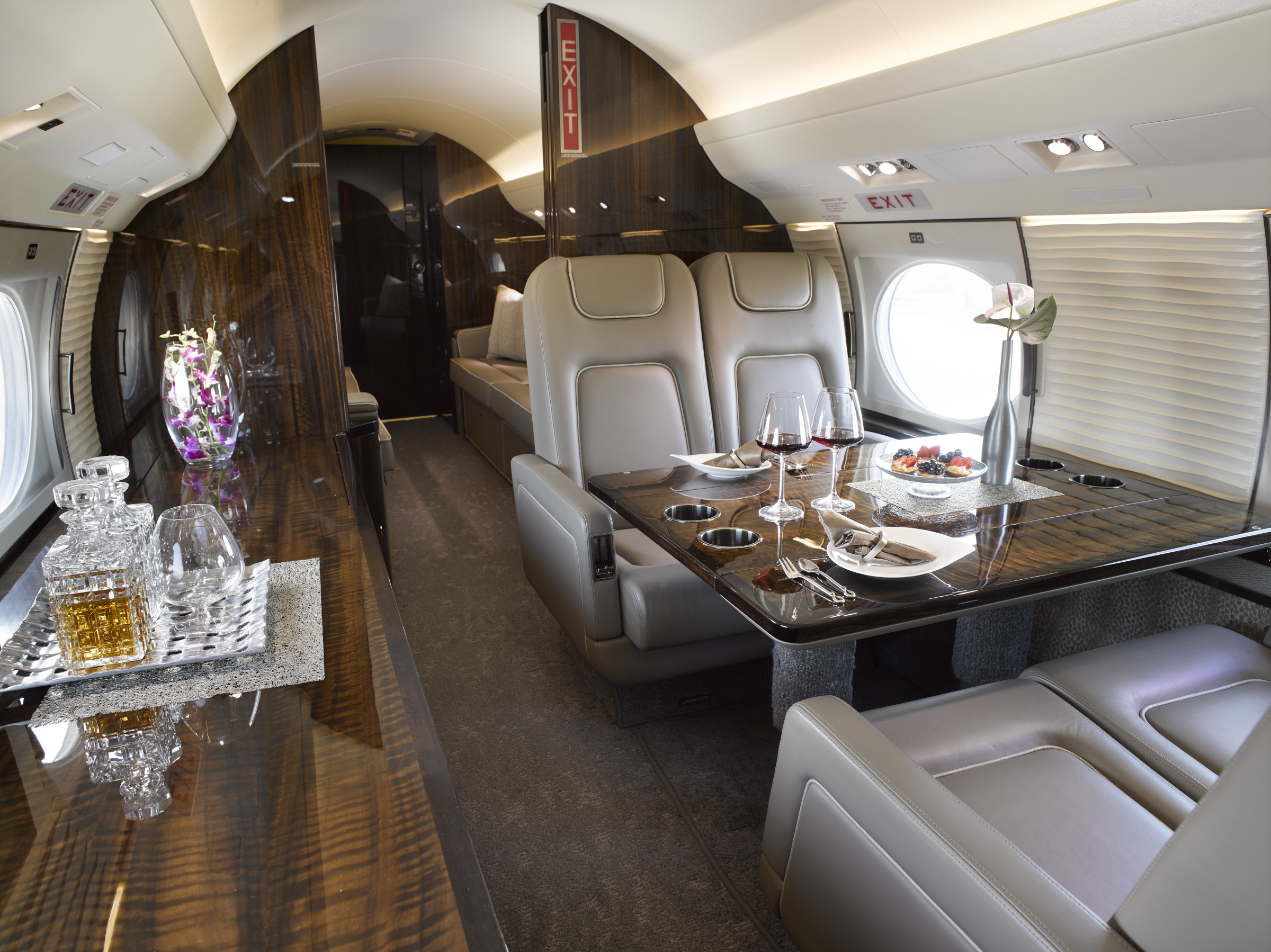
Condition, capability, and presentation all inform the enhancement plan.
Condition
Maintenance, inspections, and engine-related work help define the aircraft’s needs. We consider the scope, findings, and expected capital commitment before choosing the next step.
Capability
Avionics, equipment, and modifications may improve how an aircraft serves its intended role. Technical suitability, required approvals, cost, and downtime need to be assessed for that aircraft.
Presentation
Interior refurbishment and exterior paint can change how an aircraft presents to a buyer. We weigh that appeal alongside the underlying condition and the market for the finished aircraft.
An improvement can add utility or appeal without returning its full cost at sale. Our aim is to choose work with a clear purpose and a realistic view of the economics.
For the practical steps involved in buying or selling, explore our aircraft sales and acquisitions page.
Price is the starting point
Leave room for
what comes next.
A low asking price can come with substantial work ahead. We look at the purchase, the expected investment, the holding period, and the eventual sale as connected decisions.
Talk through an opportunity ↗Before committing
Understand the condition, records, maintenance position, and questions that still need answers.
During ownership
Allow for planned work, operating and holding costs, downtime, and the possibility of additional findings.
At remarketing
Consider buyer demand, competing aircraft, presentation, and a realistic path back to market.
Patience belongs in the process. If the aircraft, the required work, and the economics do not fit, the disciplined decision may be to pass.
AOPA’s aircraft purchase guidance explains why a prebuy should examine condition and records, including installed modifications.
Joe Rizzo · Owner, AIRSEA II
Our commitment
The relationship
outlasts the transaction.
Aircraft decisions bring together significant capital, technical questions, and personal priorities. AIRSEA II approaches them with integrity, discretion, transparency, accountability, and professionalism.
That commitment applies when acquiring directly, considering an opportunity with a strategic partner, improving an asset, or bringing it back to market. We want the people involved to understand the aircraft, the plan, and their next step.
AIRSEA II also offers boat and yacht sales, and Joe is a licensed insurance broker. Those conversations receive the same attention to the person and the decision in front of them.
Understanding the approach
Questions behind
the decision.
A closer look at how the investment philosophy applies to real aircraft opportunities.
Ask Joe your question ↗Put the aircraft in perspective
Have an opportunity
worth a closer look?
Tell Joe about the aircraft and what you have in mind. A direct conversation can clarify the opportunity, the open questions, and the next step.
617-962-4500 ↗